
Since the dawn of calculators, we’ve trusted computers to do math. Unless there’s a bug in the code, computers have been great at math. Better and faster than the fastest humans. We use them in everything from stock trading to calculating change at the register. Some grocery stores even have automated coin dispensers; the register calculates the coins due and tells another machine to spit out the right coins.
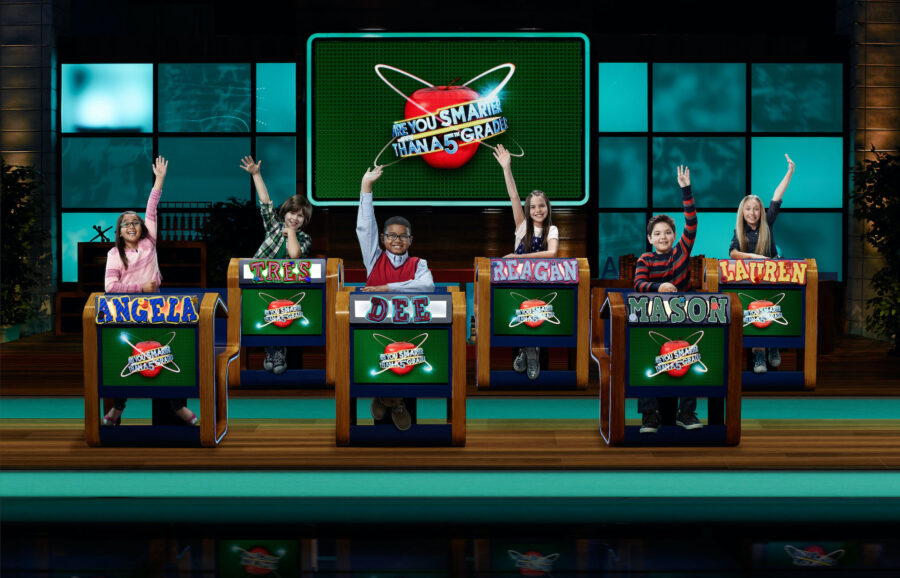
What are marketed as the most powerful supercomputers ever… can’t do math. They can write sonnets, pass the bar exam, summarize Tolstoy… and botch 17 + 5. When I gave AIs a spreadsheet with places I’ve traveled and asked it to do a simple count, they kept coming back with the wrong numbers. (The spreadsheet I imported did an easy and accurate count: the number of rows matched the number of places I’ve visited.) ChatGPT can get something as basic as less than or greater than wrong. When it comes to math, AI might not be smarter than a 5th grader.
It has to do with the way AI works. Unlike spreadsheets and other tools we’re used to, it’s just predicting what will come next. It’s not actually doing math. It predicts based on inferences. The name is a tell for people in the industry: LLM stands for Large Language Model. It’s not a Large Math Machine.
But people who’ve been told that AI is a magic machine don’t know that. Like everything else, the AI confidently spits out an answer. The better implementations will do the inferences, recognize that might be wrong (“hey, I just did math!”), go back and rewrite Python code, execute it and spit back an accurate, calculated answer.
Yes, there is a small print disclosure that says “AI can make mistakes.” It should add “My math might not be great.”
If you do use AI to do math, ask it to double check the answer as a math problem. Or, you can just use a spreadsheet until the technology gets better.
Disclaimer: As with all things AI, the industry moves at a rapid pace. Models evolve, tools update, and behaviors shift—sometimes overnight. By the time an author hits ‘publish,’ the example they’re using may already be obsolete. It’s not that the writer was wrong. It’s that the system changed while their post was still rendering. Disclaimer 2: The previous disclaimer (only) was written by AI. Disclaimer 3: Any future attempts to update Disclaimer 2 may invalidate Disclaimer 1.
 redesign | mobile